Table of Content
In addition to preparing fossils, the paleontologists coordinate the monument's fundamental research in paleobotany and other scientific areas and manage the fossil museum within the visitor heart. Sheep Rock Unit, to the east of the Painted Hills , is the park's most expansive website and the best place to get pleasure from a well-rounded introduction to the monument. While it's potential to get a feel for the area on a scenic drive, native hiking trails are the best way to get an upclose take a glance at fossils in situ. The major location to visit at John Day Fossil Beds is the Sheep Rock unit.
Likewise, exhausting rock surfaces and steep slopes from which soils wash or blow away have a tendency to remain bare. Merriam, a University of California paleontologist who had led expeditions to the area in 1899 and 1900, encouraged the State of Oregon to guard the area. In the early 1930s the state started to purchase land for state parks at Picture Gorge, the Painted Hills, and Clarno that later turned a part of the nationwide monument. In 1974 Congress licensed the National Park Service to determine the national monument, and President Gerald R. Ford signed the authorization.
Geology And Paleontology
Large mammals that inhabited this area between 50 and 35 million years ago included browsers similar to brontotheres and amynodonts, scavengers like the hyaenodonts, as properly as Patriofelis and different predators. Eroded remnants of the Clarno stratovolcanoes, once the size of Mount Hood, are nonetheless seen close to the monument, for instance Black Butte, White Butte, and other buttes near Mitchell. After the Clarno volcanoes had subsided, they have been replaced about 36 million years in the past by eruptions from volcanoes to the west, in the general neighborhood of what would turn into the Cascade Range. The John Day volcanoes, as they're called, emitted massive volumes of ash and dirt, much of which settled in the John Day basin. As with the earlier Clarno particles flows, the speedy deposition of ash preserved the remains of vegetation and animals dwelling in the area.
The Clarno Unit, 18 miles southwest of Fossil on Highway 218, encapsulates a interval in time when monumental rhino-like brontotheres and diminutive four-toed horses roamed lush, prehistoric jungle landscape. Some forty four million years in the past, volcanic mudflows swept through the area, leaving behind a rich fossil document in cathedral-like stone rampart called the Palisades. The paleontology collection consists of more than 50,000 objects saved on the Condon Center. This is the most important collection on the planet of "stratigraphically documented fossils from the John Day area".
Tips For Visiting John Day Fossil Beds
To the west lies the Cascade Range, to the south the Ochoco Mountains, and to the east the Blue Mountains. Many visitors choose to cease near the city of Fossil, lower than 20 miles east of the Clarno Unit, to collect fossils and petrified wooden, as collection is prohibited inside the monument. The "Ochoco nation" in which the monument seems is also prime territory for rockhounds, especially those looking for jasper and thunder eggs . The headquarters and a pair of,500-square-foot interpretive amenities of the John Day Fossil Beds National Monument are located at the Sheep Rock Unit, fifteen miles west of Dayville. This area contains the Blue Basin , a renowned Oligocene fossil site, as nicely as Miocene Picture Gorge basalts and strata of the Mascall Formation, that are about 14 million years old.
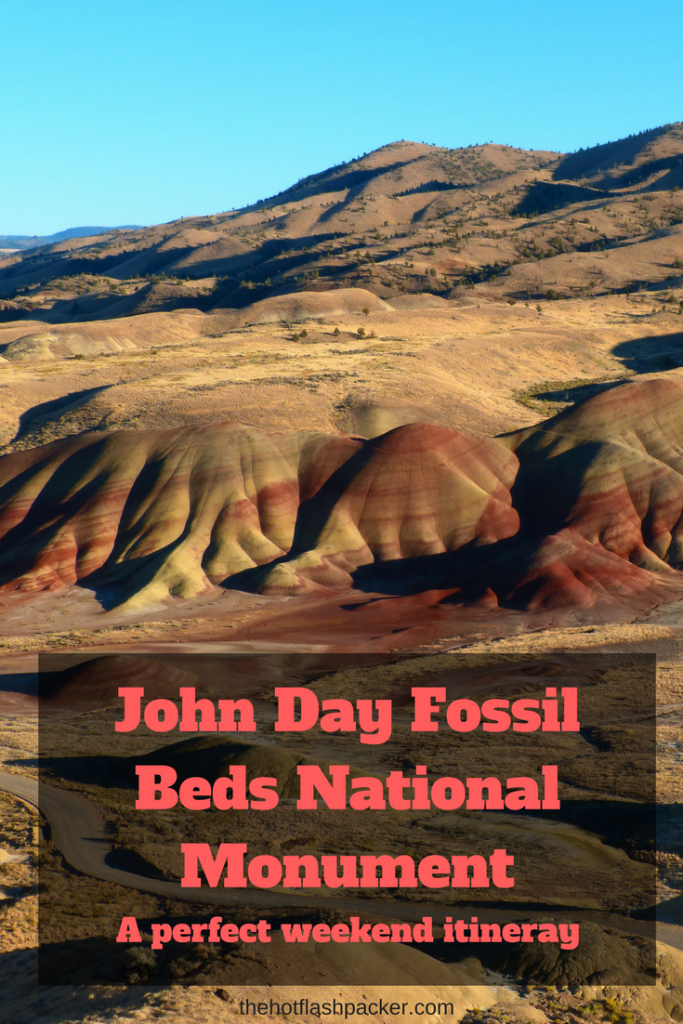
Four trails of a quarter-mile to 1.5 miles (2.four km) long cross elements of the Painted Hills Unit. At the Clarno Unit, three separate quarter-mile trails start at a parking lot alongside Oregon Route 218, below the face of the Clarno Palisades. Visitors are asked to remain on the paths and off bare rock and hardpan to avoid injury to fossils and fragile soils.
The last major eruption occurred in the late Miocene, about 7 million years in the past. The ensuing stratum, the Rattlesnake Formation, lies on prime of the Mascall and incorporates an ignimbrite. The Rattlesnake stratum has fossils of mastodons, camels, rhinoceroses, the ancestors of dogs, lions, bears, and horses, and others that grazed on the grasslands of the time.
Two fossilized tooth discovered lately in the Rattlesnake stratum close to Dayville are the earliest report of beaver, Castor californicus, in North America. The beaver teeth, which are about 7 million years old, have been scheduled for display on the Condon Center. The units cowl a complete of 13,944 acres of semi-desert shrublands, riparian zones, and colorful badlands. About 210,000 individuals visited the park in 2016 to engage in outside recreation or to visit the Thomas Condon Paleontology Center or the James Cant Ranch Historic District. Junior Ranger Program - The Junior Ranger booklet may be picked up at the visitor heart. The Blue Basin Overlook Trail is positioned at the Blue Basin Trailhead and is a three.25-mile loop trail with over 600 feet of elevation gain/loss.
Primary "Methods To Assist" Hyperlinks
No meals, lodging, or gasoline is available in the park, and camping is not allowed. Hours of operation for the Cant Ranch and its cultural museum vary seasonally. To 5 p.m aside from federal holidays during the winter season from Veterans Day in November through Presidents' Day in February. Its facilities include a fossil museum, theater, schooling classroom, bookstore, restrooms, and ingesting fountains. Included among the more than 50 species noticed are red-tailed hawks, American kestrels, nice horned owls, frequent nighthawks, and nice blue herons.

The monument has more than eighty soil varieties that help a extensive variety of flora, starting from willow bushes close to the river to grasses on alluvial fans to cactus amongst rocks at higher elevations. Colorful rock formations at John Day Fossil Beds protect a world class record of plant and animal evolution, altering local weather, and previous ecosystems that span over forty million years. Exhibits and a working lab on the Thomas Condon Visitor Center, as properly as scenic drives and hikes at all three models, enable guests to discover the prehistoric past of Oregon and see science in action. Fossils have been first discovered in the John Day Basin by soldiers through the Civil War. In the 1870s a quantity of East Coast establishments sent expeditions to the world, but the first substantial collections had been made by crews from UC Berkeley and led by John C. Merriam from 1899 by way of the 1920s.
In June 2011, work was completed on a new ranger residence within the Painted Hills Unit that makes the unit almost carbon-neutral. Solar panels generate sufficient electricity to energy the house in addition to the ranger's electrical car, on mortgage from its producer for a year. The project is a part of ongoing efforts to make the entire park carbon-neutral. The fossils of the region had been first discovered by soldiers who traveled The Dalles Military Road to the Canyon City space following the invention of gold there in 1862. They introduced the fossil discoveries to the eye of Reverend Thomas Condon, Oregon’s first state geologist and first chair of the Geology Department at the University of Oregon. In the 1870s, different famed paleontologists, including Othniel Marsh and Edwin Drinker Cope, and different investigators, together with U.S.
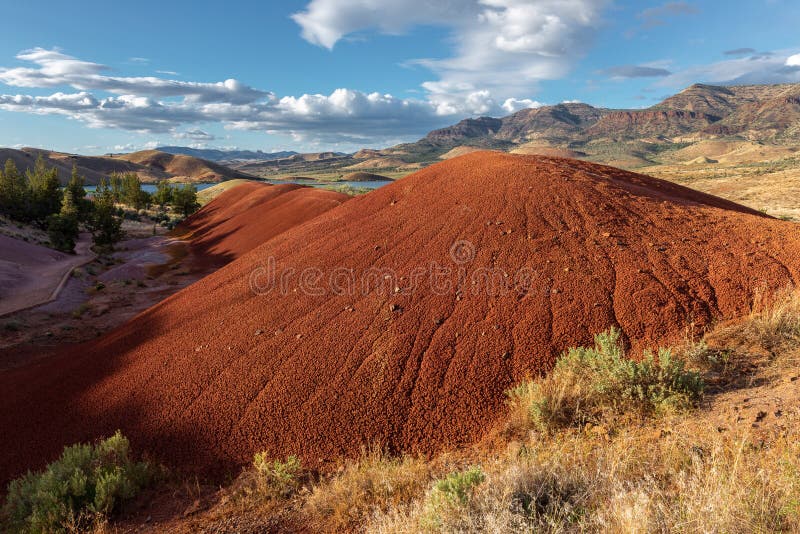
John Day Fossil Beds National Monument's breathtaking surroundings is a place the place visitors can discover historical crops and animals. John Day Fossil Beds National Monument is situated in north central Oregon, about 145 miles southeast of Portland. To study extra concerning the monument, please choose an area of curiosity from the navigation bar on the left. Divided into three units—Clarno, Sheep Rock and Painted Hills—the 19,000-acre John Day Fossil Beds National Monumentis one of the world’s richest repositories of plant and mammal fossils.
This is where the park's headquarters is based, visitor middle, and several other climbing trails to explore. The location is remote on State Highway 19 several miles north of Highway 26. Averaging about 2,200 ft in elevation, the monument has a dry local weather with temperatures that change from summer highs of about ninety °F (32 °C) to winter lows below freezing.


No comments:
Post a Comment